Communalia
Maximalism
Work, technology, and community for a society of abundance


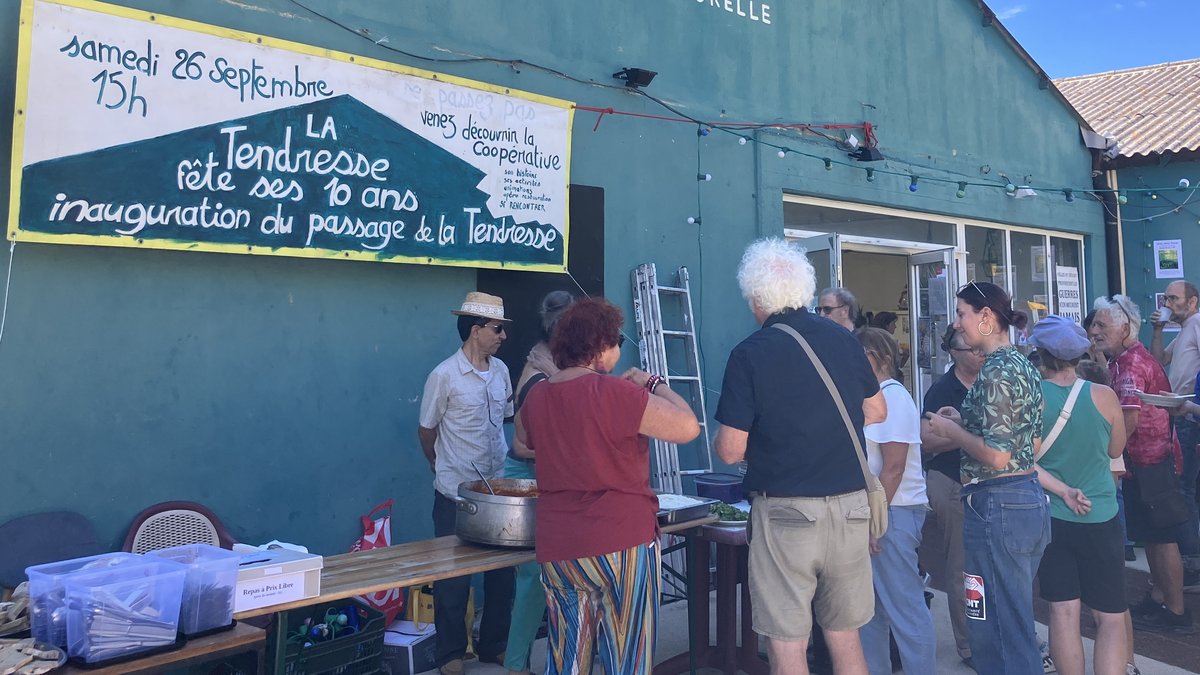
Rebuilding what capital destroys

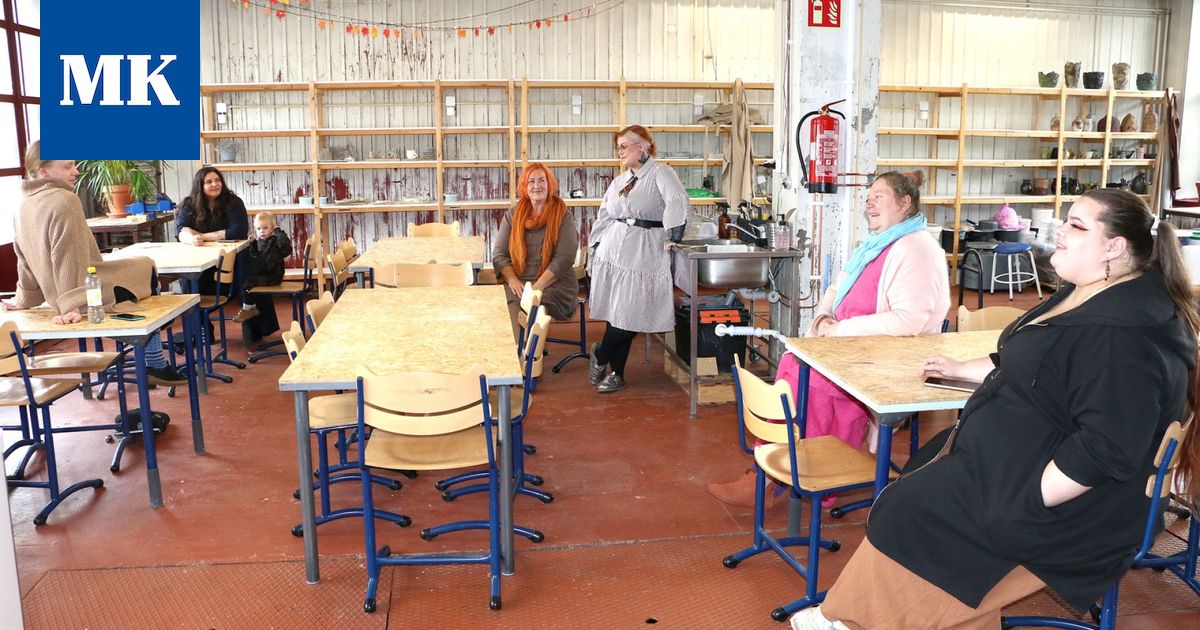
Craft enthusiasts of JoAnn Fabrics drive a craft cooperative to fill the void left by private capital. After the closure of the U.S. crafts chain JoAnn, hit by private equity funds, a group of enthusiasts is promoting a craft cooperative in Ohio, United States, to fill the void left behind and maintain access to fabrics and materials through collective ownership
An Open AI agent hacks the server of the Australian public health system

"A dishonest OpenAI agent hacked an Australian government website in June and accessed private data in what experts consider the first known case of its kind in the world. The agent "infiltrated" a statistics portal that contained "non-confidential" data from Australia's universal healthcare program, Medicare, Prime Minister Anthony Albanese said in New York on Wednesday, local time. He held a "very frank conversation" with OpenAI chief Sam Altman for having taken "too long" to disclose the leak and stated that there would be "legal consequences."
OpenAI claimed it only became aware of the security breach in August, while reviewing "misaligned model activity," and sent an email to the general inbox of an Australian government agency on September 10. Five days later, that government agency, Services Australia, forwarded the email to Australia's cybersecurity center before a government minister was notified and the prime minister was alerted. Albanese said he spoke with Altman and expressed "Australia's extreme concern over this incident," as well as his "disappointment" over the fact that the company had taken months to disclose the leak and "the way" it did so. 1
OpenAI claimed it only became aware of the security breach in August, while reviewing "misaligned model activity," and sent an email to the general inbox of an Australian government agency on September 10. Five days later, that government agency, Services Australia, forwarded the email to Australia's cybersecurity center before a government minister was notified and the prime minister was alerted. Albanese said he spoke with Altman and expressed "Australia's extreme concern over this incident," as well as his "disappointment" over the fact that the company had taken months to disclose the leak and "the way" it did so. 1
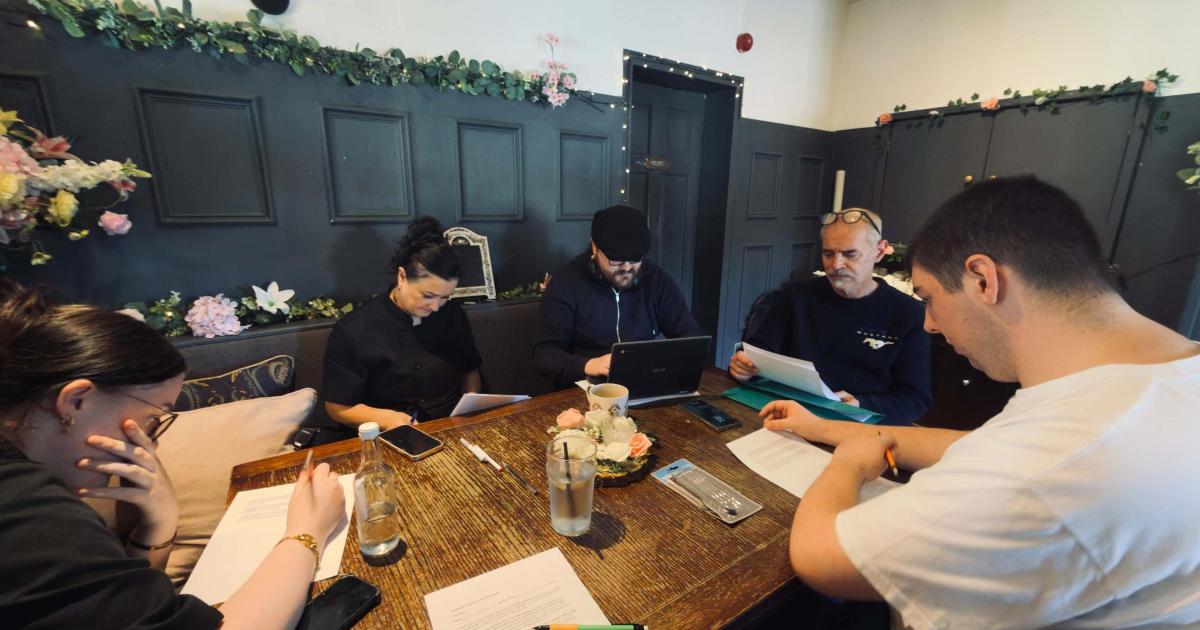
In Italy judges strengthen the sovereignty of worker cooperatives to expel their members

Cooperative and worker member: if the exclusion is illegitimate, only compensation is appropriate. A court ruling in Rome, Italy, establishes that when an assembly improperly excludes a worker member from a cooperative, the only consequence is financial compensation, without reinstatement. The decision affects the corporate and employment relationship in worker cooperatives
Solarpunk noir novel
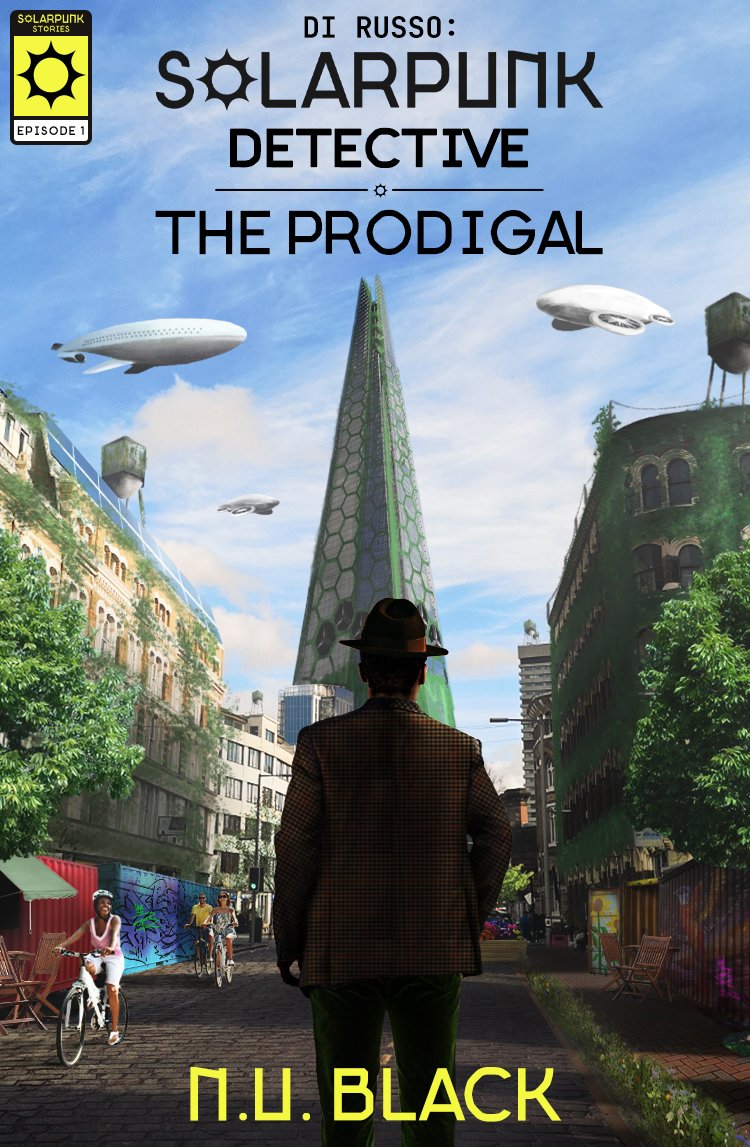
Until next Wednesday you can download for free and without giving your credit card details the first installment of a solarpunk noir series set in a green London. You just need to use the discount code: FREE_FOR_YOU_SOLARPUNK
It is also the first of the #books published by "Solarpunk Stories", the first publishing house specialized in our favorite genre. 1
It is also the first of the #books published by "Solarpunk Stories", the first publishing house specialized in our favorite genre. 1
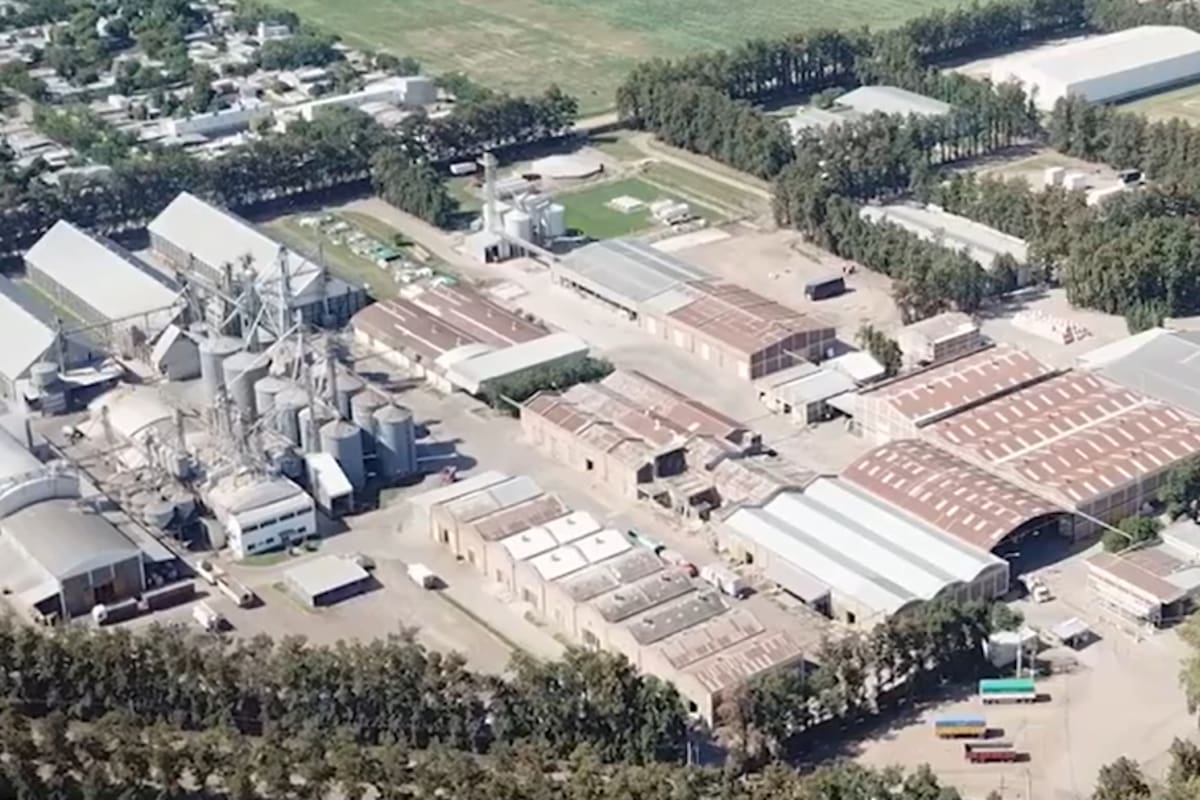
Teachers' cooperatives in Brazil
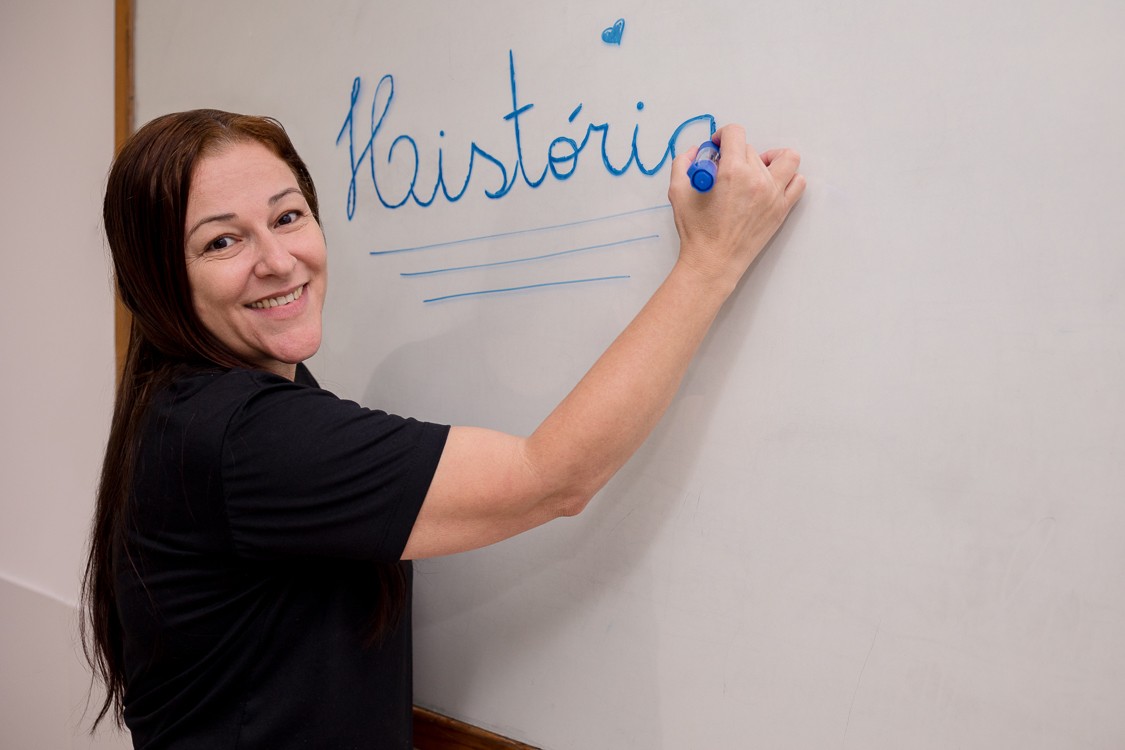
At a cooperative school in Campos dos Goytacazes, the teachers are the owners. In Campos dos Goytacazes, Brazil, an educational cooperative allows teachers to own the school where they teach. The teachers join forces to start the business, take part in decisions and build the business together, generating a sense of belonging that sets this cooperative model apart