
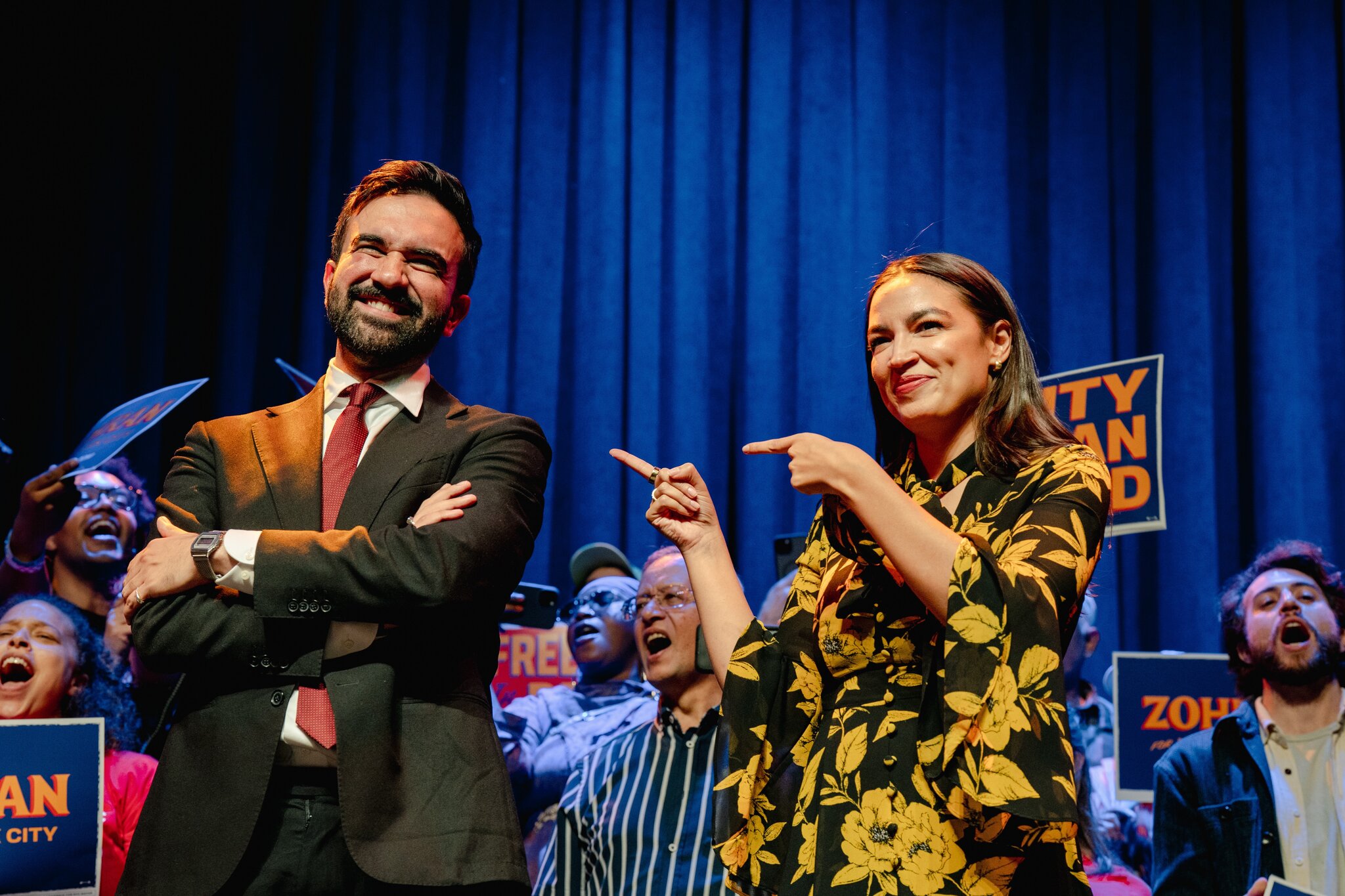
The DSA is the supposedly socialist force on the rise within the Democratic Party. It seems, however, to have the worst of both worlds: the worst of the establishment (empty slogans, winning matters more than principles...) and the worst of the left (sectarianism, factionalism, attachment to wokeness...) and yet, it works and wins primaries. Why?
"Seen up close, the DSA is perceived less as an expression of class than as a cultural expression. In-person communities built around common interests—of the kind once found in bowling alleys, intergenerational punk rock venues, church basements, or radical bookstores—are rare today, and DSA chapters fulfill that function. They offer not only a different politics, but a different model of what it means to participate in politics. The functioning of the chapters is largely self-managed, which adds a touch of unreality to their victories, as if a group of college friends had created a record label in their dorm and somehow used it to unseat an eight-term congressman. 'It becomes something you do to meet your friends, and to make friends,' Shua Sánchez, a 36-year-old organizer from the Milwaukee chapter, told me.
Even Democratic strategists who distrust the group's growing influence in the party acknowledge that they have discovered something the party's mainstream now struggles to produce naturally. "They represent a genuine civic commitment," said Adam Jentleson, former staffer for Harry Reid and John Fetterman and president of the Searchlight Institute, a new Democratic think tank trying to move the party away from the cultural politics of the 2020 era. "We don't have Elks clubs anymore. We don't have union halls, really. But we have these 50 people gathered in a room debating Robert's Rules of Order. We shouldn't let them determine the course of the party, but we also shouldn't kick them out"