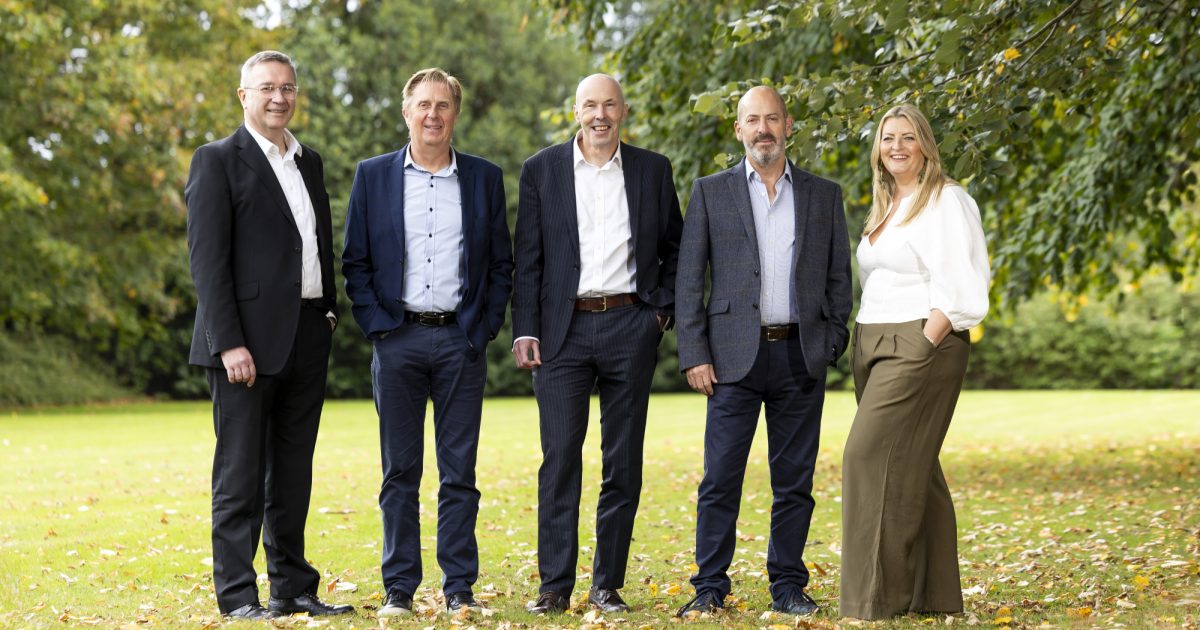
According to the Canadian Federation of Independent Businesses, 76% of Canadian small business owners plan to sell their businesses in the next decade, most to retire. Approximately $2 trillion in business assets could change hands. However, only 10% of these owners have a succession plan. Some businesses will close, others will be sold to management, to a third party, or acquired by private equity. The magnitude of this shift could significantly affect the country's business landscape and have a lasting impact on Canadian workers and communities.
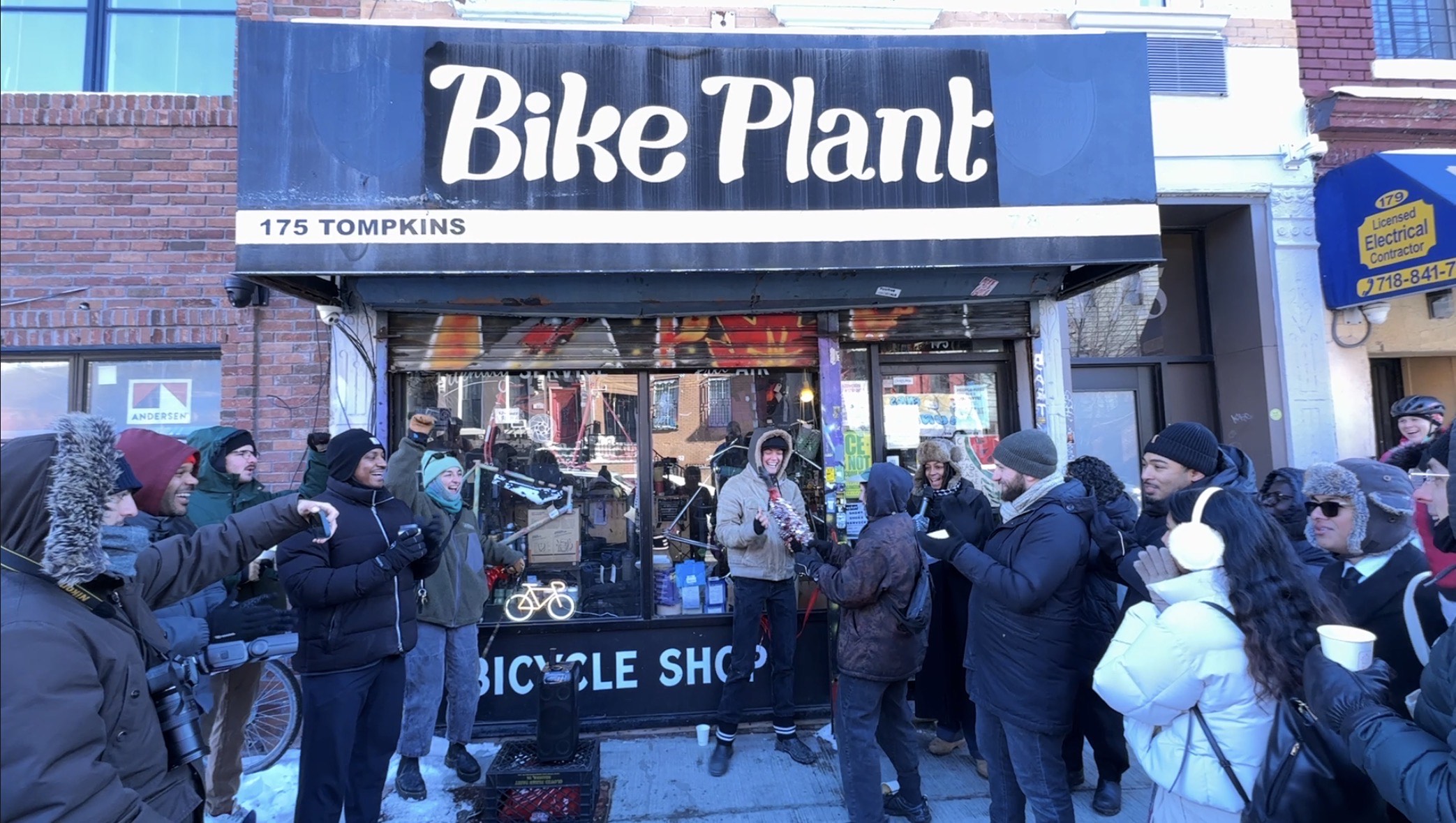
New York City has a "Worker Cooperative Business Development Initiative" that assists and funds the transition from capital ownership to labor ownership. Thanks to this, Brooklyn has not lost its bike shop and workshop. The opening of this new cooperative phase was a huge neighborhood celebration with local media and politicians in attendance.
"While widespread ownership is not new, a recent boom led by private equity has transformed it into a powerful economic force. Since 2022, more than $1.3 billion has been distributed to 41,000 non-executive employees, with projections exceeding $20 billion over the next decade."
"The payoff is mutual. Preliminary data from the nonprofit organization Ownership Works shows that operations with ownership programs achieved a return on invested capital (ROIC) 1.6 times higher than the market median. These programs drive operational improvements, from expanding margins to reducing employee turnover, by unlocking the code of the ownership mindset."
"The company said it has recorded year-over-year growth for nearly 16 consecutive years and now joins approximately 6,300 ESOP companies nationwide, representing around 10.7 million active employee-owners."
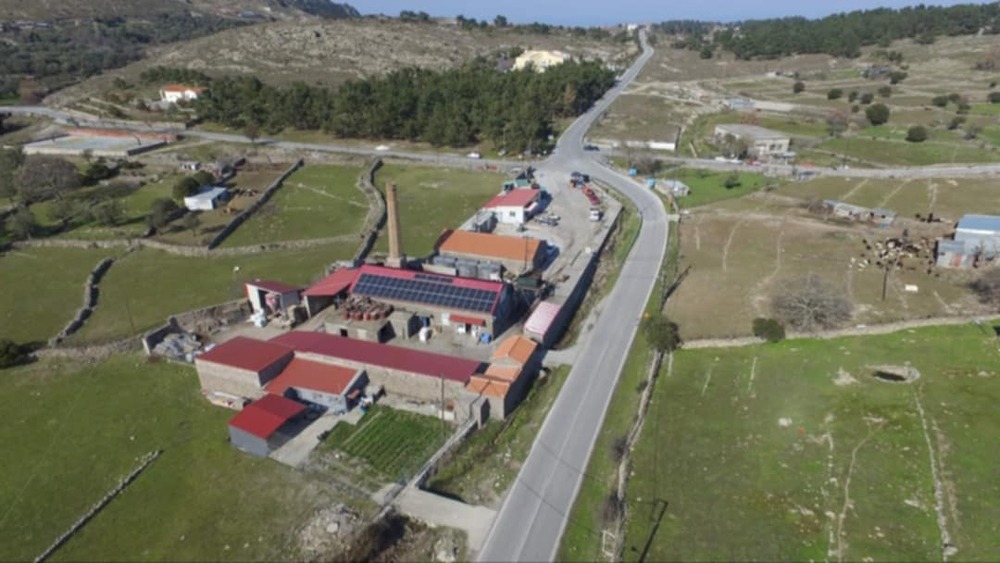
"Eleven years after its creation on the ashes of the former Eléphants tea factory, owned by Unilever, the cooperative company in Gémenos, near Marseille, has found its balance producing for large retailers."
Not a day goes by without a leading company in a US state being bought by its own workers, who gain not only a voice and a vote, but also control of the results and a retirement plan unaffordable by other means.
The company, founded in 1983, stated that it is now structured as an Employee Social Participation Plan (ESOP), which grants eligible team members a stake in the company in addition to existing retirement benefits. Advanced Roofing indicated that this change is designed to strengthen shared responsibility across the organization, from field teams to project managers and support staff, while maintaining leadership and daily operations.
“This milestone seeks to secure the future of the company and honor those who built it,” said Rob Kornahrens, founder and CEO of the Advanced family of companies. “Employee ownership allows us to stay true to our identity: independent, customer-centric, and committed to long-term relationships.”
Throughout 2025, 123 cooperatives were created, 12 percent more than the previous year, and 2,947 new jobs associated with cooperatives, which is equivalent to 17 percent of the total new jobs in the community.
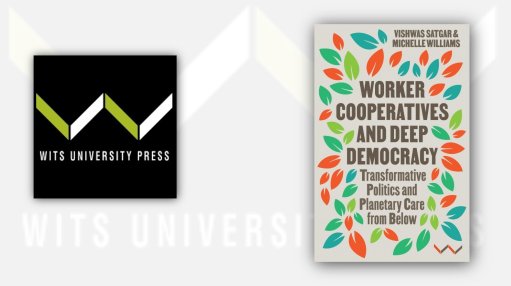
"The left has failed to inspire a practical challenge to the planetary crisis of capitalism that has upended nature and society. This book outlines a new transformative politics that emerges from workers' cooperative systems that promote planetary care from below and have the potential to undermine the capitalist status quo."
“The crisis of capitalism is planetary. It is a system that disrupts nature and society, causing many to live and work in despair. Until now, the left has been unable to pose a practical challenge to it. In ‘Worker Cooperatives and Deep Democracy,’ Vishwas Satgar and Michelle Williams outline a new transformative politics that emerges from inspiring worker cooperative systems that promote planetary care from below and have the potential to undermine the capitalist status quo.”
"Based on extensive research in 15 countries, the authors examine case studies that explore transformative approaches to social reproduction, public power, nature protection, and territorial expansion in opposition to global hegemonic power. They also reveal the power of solidarities to generate emancipatory and utopian imaginaries in the global north and south."
"Satgar and Williams show how, against all odds, people are experimenting with deep democracy and building care systems to live differently and emerge from the planetary crisis."
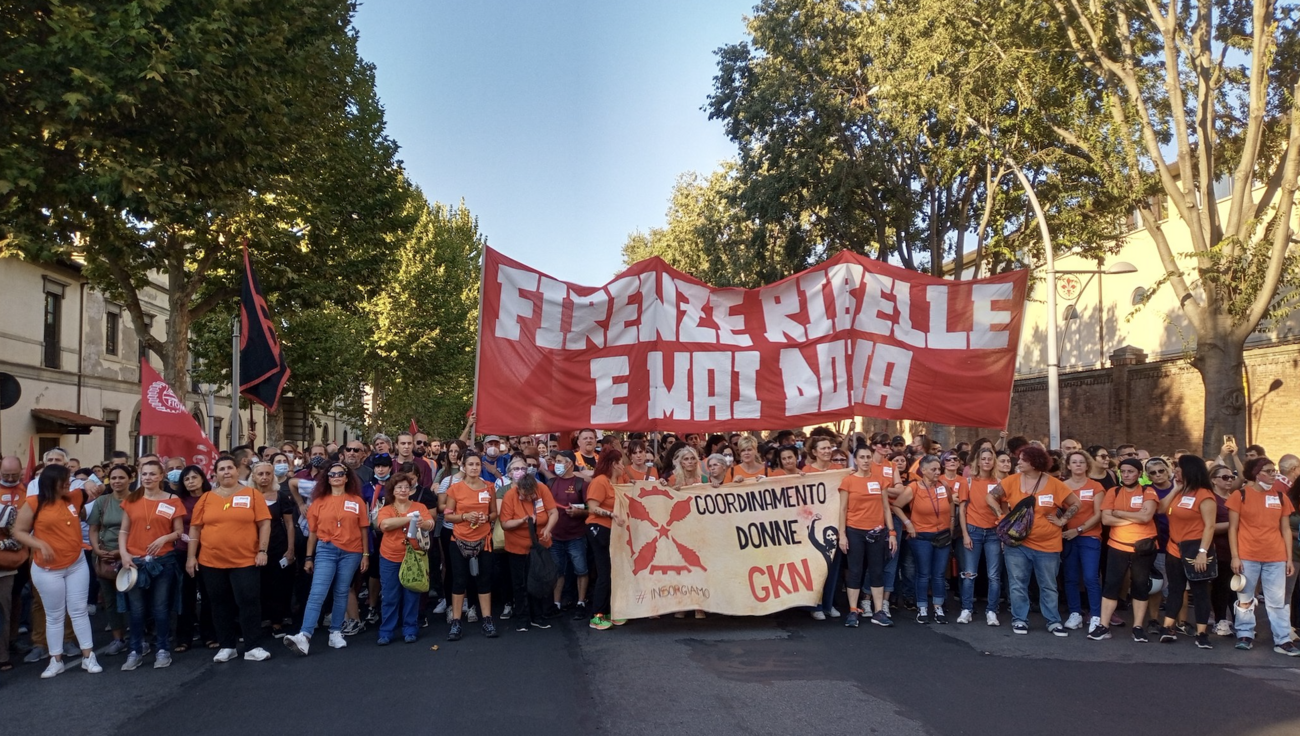
The worker-led struggle for the ecological re-industrialization project at the GKN factory in Florence is receiving a significant international solidarity campaign. This initiative represents an emerging tension and a potential paradigm shift, as it elevates the workers' struggle from local resistance to a global model of sustainable industrial transformation, uniting worker ownership with ecological imperatives in a pioneering way.
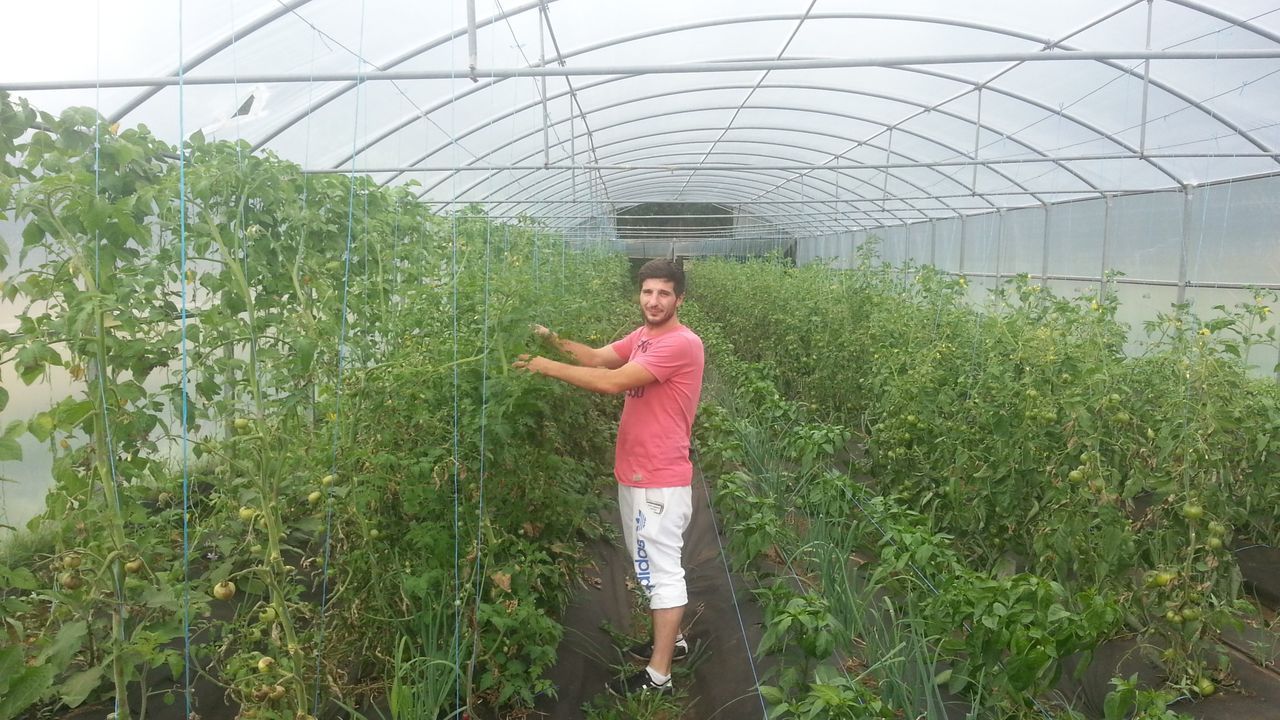
"Colectivo Xebre was until now an agricultural cooperative. It was made up of members from the municipalities of Coristanco, Malpica, A Laracha and Zas who joined together solely to sell the harvests from their respective orchards. Some time ago, the group moved all its activity to Fornelos, in the municipality of Zas, leaving their own plots inactive."
"Since 2017, the group has had a stall in the Lugo market in A Coruña, where it sells a large part of its production. Other important outlets for the products are collective canteens, mainly in educational centers of the Costa da Morte and also in large companies."
He responds that it is a market failure based on erroneous beliefs.
"Taken together, these results point to a belief-based explanation for the limited diffusion of employee ownership. Even when alternative organizational forms function well, distorted perceptions can discourage people from participating in them and reduce political support. In this sense, the scarcity of worker cooperatives may reflect not only economic factors, but also a kind of market failure in information and belief formation."
"This perspective has important implications. If pessimistic beliefs are part of the problem, low-cost informational interventions, especially those based on credible evidence and expert input, can play a significant role in changing attitudes. Young people, in particular, seem receptive to such information at a stage when their career expectations are still evolving."
"In sparsely populated areas across Japan, the withdrawal of supermarkets and other businesses has jeopardized essential services vital to the daily lives of residents."
"To address this problem, some local governments are turning to resident-run non-profit organizations, known as 'worker cooperatives,' as new local service providers."
"In these cooperatives, the residents themselves plan, develop, and manage the services their communities need, with the support of local government subsidies to cover initial and operating costs. The Ministry of Economy, Trade, and Industry is also working to create a framework that will make it easier for these organizations to obtain financial assistance and other forms of support."
The growing support in Washington and the private sector for Employee Stock Ownership Plans (ESOPs) as a business succession alternative indicates an institutionalization and validation of employee stock ownership mechanisms in the US. This news is significant because it shows a paradigm shift where ESOPs, a form of employee ownership, are gaining legislative and corporate traction as a structural solution to the business succession crisis.
The article argues that employee ownership funds in the US are a significant way to generate a positive impact on daily life, proposing the adoption of ownership models where employees have a direct stake. This highlights the social value and direct impact on well-being as a growing driver for employee ownership, beyond purely financial or business succession benefits. Promoting these funds aims to institutionalize or scale up the employee ownership model as a socially responsible and effective solution.
In the US, strategic tax tools to facilitate business succession in local businesses are being debated and approved at both the state and federal levels. The connection between tax benefits and business continuity through employee ownership is the result of an institutional shift toward adopting EOT/WBO models as the preferred solution for business succession in SMEs.
A seminar in Ravenna focused on transforming businesses into worker cooperatives to maintain and develop companies without successors. A paradigm shift in succession crisis management is taking place across Europe, elevating cooperation to a practical economic policy tool. We are witnessing a wave of new cooperatives formed from existing companies at risk.
This Greek article directly challenges the traditional ownership paradigm and underscores the productive autonomy of cooperatives. This challenge is significant in an environment where there is a push to redefine labor relations and the value generated, potentially pointing toward a consolidation or expansion of the cooperative model as a structural alternative in Greece.
The fact that a company doubled its profits just before the transition is significant, as it combats skepticism about the economic viability of these models. This could encourage other established companies to consider employee transfer as a proactive strategy for optimization and value retention.
Employee Ownership Ireland Roadshows: Ireland is actively promoting employee ownership through "roadshows," a coordinated effort to foster this business model as a viable economic strategy, not just a niche. This initiative in Ireland signals a broader movement in Europe toward the institutionalization of collective ownership models as a response to business succession and the pursuit of greater economic resilience. Active promotion by government bodies indicates that employee ownership is transitioning from a fringe option to a serious economic policy tool.
“When Mead Lumber embarked on its journey toward employee ownership 25 years ago, no one could have predicted the impact it would have on our people and our future,” said Dave Anderson, president and CEO of Mead Lumber. “We are proud that more than 30 of those first employee-owners are still with us today. Their commitment, along with that of our new employee-owners, has forged a culture of trust, service, and shared success. Our story demonstrates that when employees are truly invested in the business, everyone wins.”
This milestone will be celebrated at all 53 locations in nine states, where employees will gather for events, team meals, and to hear from the more than 30 current employees who were part of the first group of employee owners 25 years ago. Employee ownership has brought long-term benefits to Mead Lumber and its people.
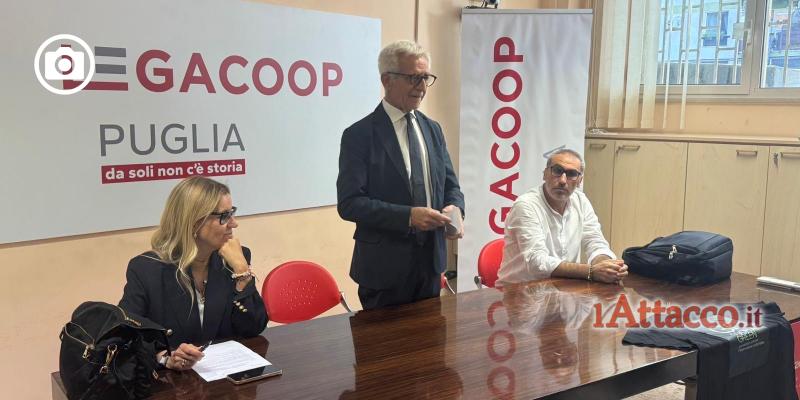
This acquisition by the workers, organized as a worker cooperative, demonstrates a viable mechanism to prevent the closure of regional industries and preserve operational knowledge, marking a paradigm shift in the management of business crises in southern Italy.
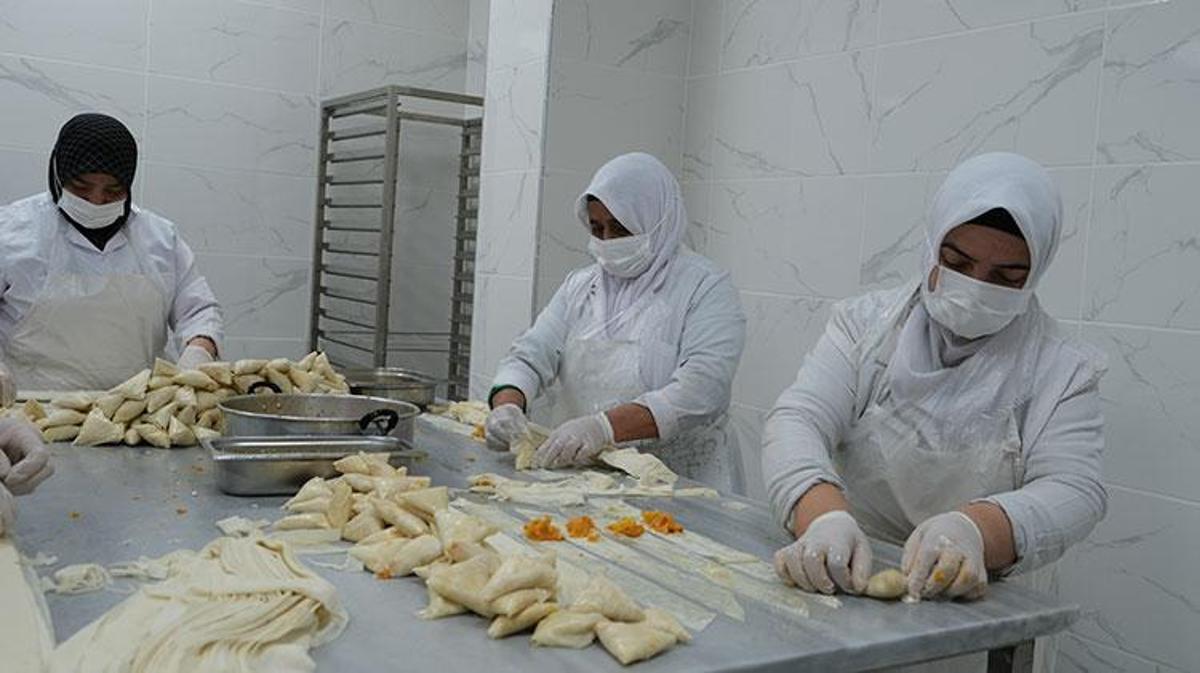
Hemdem, a women-led production and business cooperative based in Sultanbeyli, Istanbul, is growing thanks to a project supported by the European Union (EU) and Turkey's Ministry of Industry and Technology. The cooperative brings together local housewives and refugee women to "keep social harmony alive in the kitchen." With flexible working hours and a child-friendly environment, Hemdem employs 45 women and, thanks to an EU grant, acquired a cookie-making machine to increase its production capacity.
The dissemination of documentaries, especially through significant media platforms such as ARTE, about the transformation of a factory into a cooperative in Italy, points to a cultural validation and a potential driver of awareness for the cooperative work model as an alternative to traditional business structures in crisis.
Space Solutions, UK, announces its transition to employee ownership. The change in ownership at an advanced services company suggests a growing trend in the private sector to retain talent and ensure business continuity through models alternative to traditional sale. Adopting employee ownership structures is increasingly becoming a common succession strategy in mid-sized companies.
"According to an independent study, young adults working at companies with ESOPs have an average household net worth 92% higher and salary income 33% higher than their peers at companies without ESOPs. Employees also stay with the company longer: companies with ESOPs have lower turnover, were three to four times more likely to retain staff during COVID-19, and show lower bankruptcy rates during economic downturns."
A good article for understanding the difference between a "canonical" Worker Cooperative (according to Spanish Law 27/1999) and a French SCOP. We always say that Spanish cooperative legislation is the most advanced in the world, and for good reason.
Cap Savoir: From Association to Pioneering Worker Cooperative in Training in France. This article presents a success story of a worker cooperative in France, highlighting its evolution from a small association to a pioneering training organization, underscoring the potential of worker cooperatives to generate social impact and sustainable growth in the education sector.
Achieving worker ownership in succession in all types of companies seeking a buyer is already a public policy objective in the #USA.
"The Massachusetts Office of Business Development announced the launch of a statewide center that will help businesses explore and adopt employee-owned models across the state."
The Massachusetts Center for Employee Ownership (MassCEO), which opened on October 1, is a resource for companies interested in employee ownership models to support succession planning, build wealth for workers, promote income equity, and strengthen employee engagement.